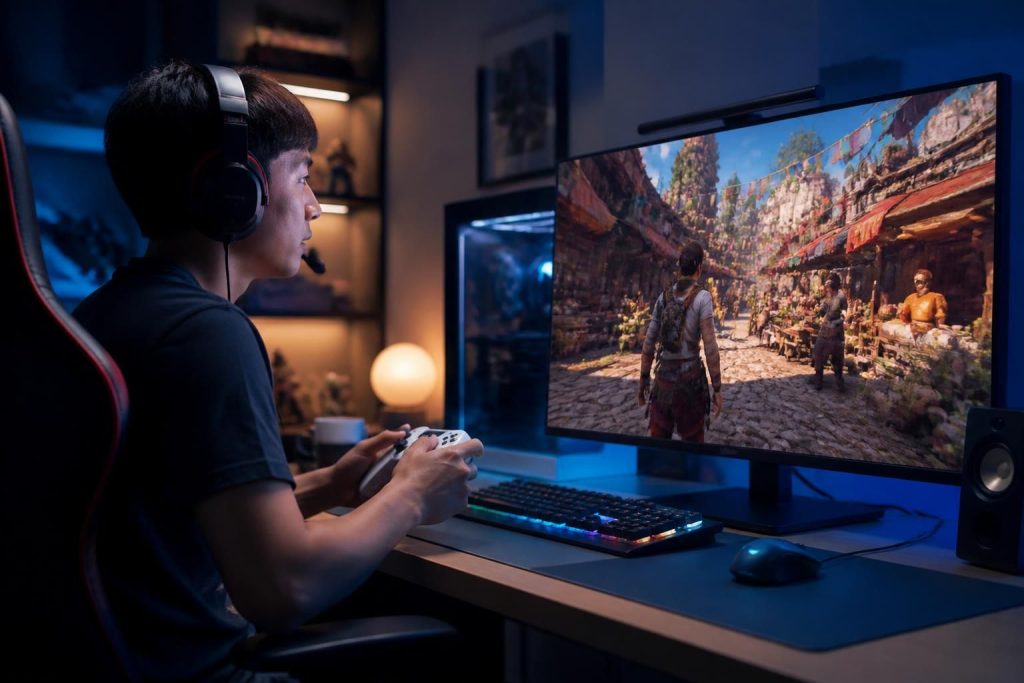
Game localization for different languages has become a critical aspect of the gaming industry, reflecting the diverse and global nature of its audience. As technology advances, the processes and methodologies behind localizing games have also evolved, making it easier for developers to engage players from various linguistic and cultural backgrounds. This transformation is not just about translation; it encompasses adapting content to resonate with different audiences while maintaining the original’s intent and spirit.
Understanding the Process of Game Localization
The journey of game localization for different languages begins with translation, but it extends far beyond simply converting text from one language to another. Game localization involves several key steps that ensure a game is culturally relevant and enjoyable in different regions. These steps include:
- Translation: The initial step where dialogue, menus, and instructions are translated into the target language.
- Cultural Adaptation: Adjusting cultural references, idioms, and humor to align with local customs and sensibilities.
- Voiceover and Audio Localization: Recording voiceovers in the target language and ensuring that they fit the characters and situations appropriately.
- Quality Assurance: Testing the localized version to identify any issues related to translation errors or cultural inaccuracies.
Each of these components is vital to creating a gaming experience that feels authentic to players in different languages. The attention to detail in localization can significantly affect a game’s reception and overall success in new markets.
The Role of Technology in Game Localization
As technology evolves, so do the tools and methods used for game localization. Advanced software and artificial intelligence are reshaping the landscape, allowing developers to localize games more efficiently. Machine translation, for example, has come a long way since its inception. While it is not perfect, it serves as a useful starting point that localization teams can refine further.
Additionally, localization management platforms facilitate collaboration among translators, developers, and QA testers, making the workflow smoother and reducing time to market. These platforms often include built-in glossaries and style guides to maintain consistency across multiple languages.
Moreover, advancements in voice synthesis technology have enabled the creation of realistic, localized voiceovers without the need for extensive recording sessions. This is particularly beneficial for indie developers who may lack the budget for a full voice cast. In the context of online gaming, integrating such technology can streamline the process while still delivering a high-quality product.
Cultural Sensitivity and Inclusivity in Localization
Cultural sensitivity is paramount in game localization for different languages. Missteps in localization can lead to backlash, as players may find inappropriate or offensive content in a localized version. For instance, a character design or storyline element that is acceptable in one culture might be deemed offensive in another. Therefore, localization teams often include cultural consultants to provide insight into regional norms and expectations.
Inclusivity is becoming increasingly important as well. Developers are recognizing the need for representation and diverse narratives in their games. This includes not only language but also characters and storylines that resonate with various audiences. Localizing games with a focus on inclusivity can enhance player engagement and broaden the game’s appeal, leading to a more substantial global presence. For more on this topic, see สล็อตเว็บตรง.
Challenges Faced in Game Localization
Despite advances in technology and methodologies, game localization for different languages presents various challenges. One significant issue is the complexity of video game content, which often includes specialized jargon, slang, and an intricate narrative structure. Capturing the essence of a game while translating such content can be difficult and may require extensive adaptation.
Another challenge is the rapid pace of game development. With shorter release cycles and the pressure to keep up with competitors, some developers may rush the localization process, leading to subpar results. Quality assurance becomes even more critical in this scenario as teams scramble to ensure that the localized version does not detract from the player experience.
Furthermore, the growing demand for real-time updates in online games means that localization must be an ongoing process rather than a one-time effort. Players expect timely updates and patches in their language, which necessitates a continuous commitment to localization.
The Future of Game Localization
Looking ahead, the future of game localization for different languages is likely to be shaped by further technological advancements. The rise of virtual reality (VR) and augmented reality (AR) gaming presents new challenges and opportunities in localization. Immersive experiences may require new approaches to dialogue and cultural references that take full advantage of the medium.
Additionally, as global gaming communities continue to grow, there will be an increased emphasis on localized esports content and streaming. Games that cater to international audiences will need to consider how localization impacts not just the game itself but also its associated content, such as promotional materials and community engagement strategies.
Moreover, the trend toward more user-generated content in games will likely influence localization practices. Game developers may need to provide tools that allow players to create and share localized content themselves, fostering a more inclusive environment for diverse gaming communities.
In conclusion, game localization for different languages is a dynamic field that is continually evolving alongside technological advancements. As developers strive to create games that speak to a global audience, they must invest in thoughtful translation, cultural adaptation, and open dialogue with players. In doing so, they ensure that players from various backgrounds can enjoy and connect with their games, ultimately enriching the gaming landscape as a whole. The future of game localization holds exciting possibilities that will continue to shape the industry for years to come.